Anna Bigas co-leads a new project on T-cell Acute Lymphoblastic Leukaemia, funded by the Deutsche José Carreras Leukämie-Stiftung
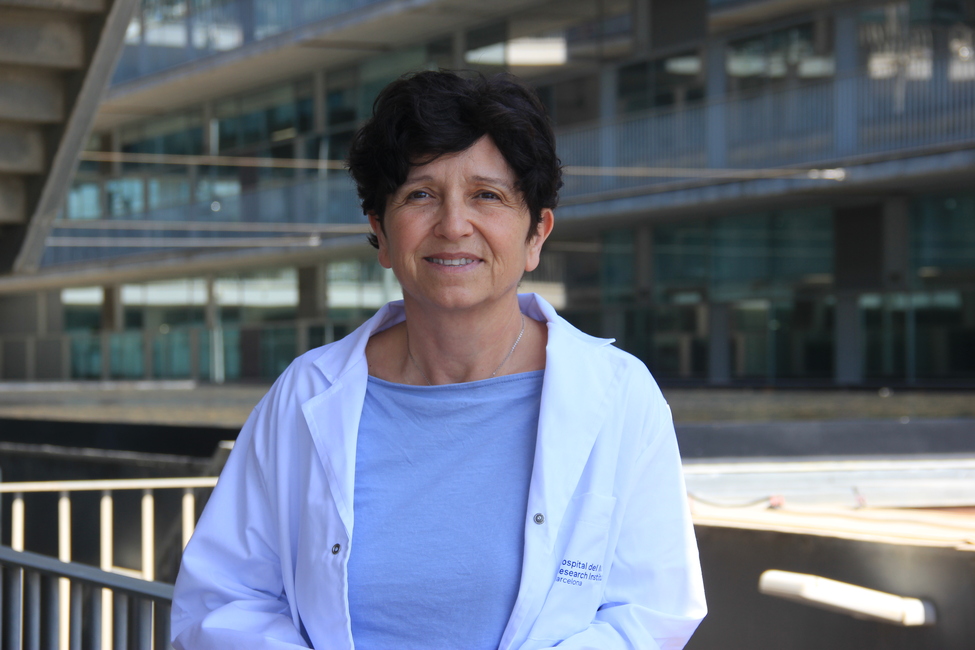
A new project investigating the mechanisms of chemotherapy resistance in T-cell acute lymphoblastic leukaemia (T-ALL) receives funding from the Deutsche José Carreras Leukämie-Stiftung. The study is co-led by Dr Anna Bigas, Group Leader at the Josep Carreras Leukaemia Research Institute, and Professor Christoph Plass of the German Cancer Research Center.
T-cell acute lymphoblastic leukaemia (T-ALL) is an aggressive haematological malignancy that affects both children and adults. Although current treatment regimens achieve remission in a high proportion of patients, resistance to chemotherapy remains the leading cause of relapse and is associated with poor clinical outcomes. Understanding the biological mechanisms that enable certain leukaemic cells to survive treatment is therefore a major unmet medical need and essential for the development of new therapeutic strategies.
Recent studies have identified specific mutations associated with relapse in patients with T-ALL, many of which occur in genes involved in epigenetic regulation and chromatin remodelling. One of the most prominent of these genes is SMARCA4, which stands out as an essential catalytic subunit of the BAF complex. Previous research has shown that relapse-initiating cells may already be present at diagnosis, albeit at very low frequencies, suggesting that they possess an intrinsic ability to tolerate chemotherapy and subsequently expand during treatment.
The project, led by Dr Anna Bigas, leader of the Stem cells and cancer group at the Josep Carreras Leukaemia Research Institute and the Hospital de la Mar Research Institute Barcelona (HMRIB), and Prof Christoph Plass of the German Cancer Research Center, aims to determine how genetic alterations affecting the BAF complex, and the epigenetic changes they trigger, contribute to treatment resistance and disease progression. To address this question, researchers will investigate the clonal and cellular heterogeneity of T-ALL using state-of-the-art single-cell technologies. The project will combine cellular and animal models with advanced single-cell epigenomic and transcriptomic profiling approaches, enabling detailed comparisons of cellular states before and after chemotherapy exposure.
By combining these approaches, the team aims to identify the molecular pathways and epigenetic states that enable treatment-resistant leukaemic cells to survive and persist. The findings will shed light on how genetic and epigenetic diversity drives disease evolution and may pave the way for new therapeutic strategies to prevent relapse and improve outcomes for patients with T-cell acute lymphoblastic leukaemia.