The CLEPIC 2026 International Congress brings together epigenetics specialists from around the world at the Josep Carreras Institute
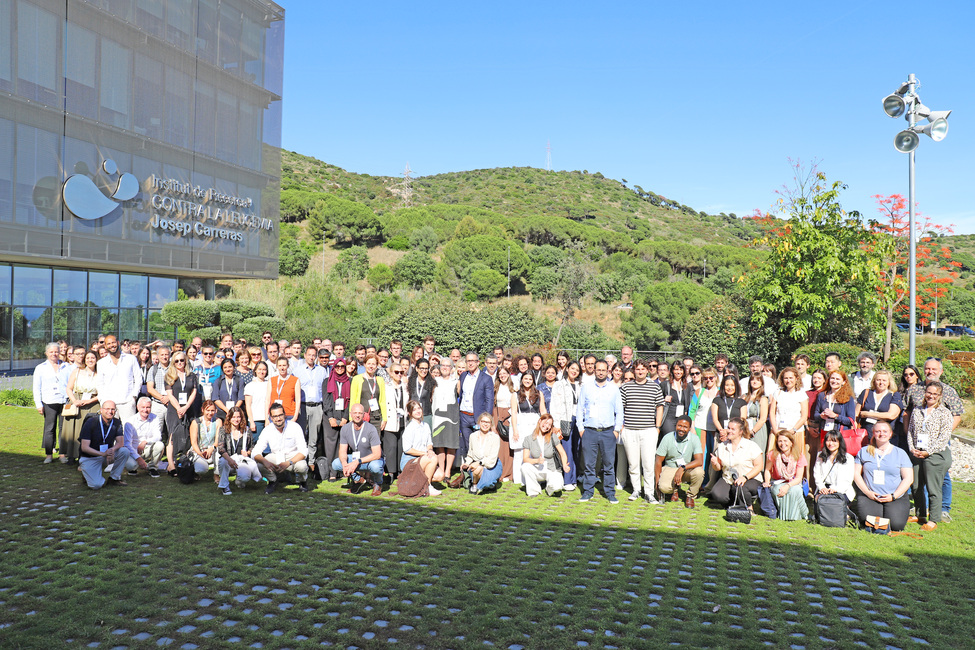
More than 160 researchers, clinicians and professionals in biomedical innovation have gathered from 10 to 12 June at the Josep Carreras Leukaemia Research Institute in Badalona for the 5th Clinical Epigenetics International Conference on (CLEPIC). Now established as one of the leading international events in clinical epigenetics, the conference has brought together some of the world’s foremost experts to present and discuss the latest advances in epigenetics and their application to cancer, with a particular focus on leukaemias and other blood cancers.
Epigenetics is often described as the set of “switches” that control the genome, encompassing the mechanisms that regulate when and how genes are expressed without altering the DNA sequence. This regulation is essential for the normal development and function of living organisms and enables cells to respond and adapt to changes in their environment. Although epigenetic mechanisms have been known for decades, research in this field has gained momentum in recent years, revealing their fundamental role in the development of numerous diseases, including cancer. Indeed, epigenetic therapies are already used to treat certain cancers, such as leukaemias and lymphomas. Research findings from studies such as those conducted at the Josep Carreras Leukaemia Research Institute highlight the potential of epigenetics to improve our understanding of these diseases and to drive the development of new diagnostic and therapeutic approaches.
This year’s edition of CLEPIC, the annual meeting of the International Society for Molecular and Clinical Epigenetics (isMOCLEP ), has brought together participants from 30 countries in Badalona. The programme has featured leading figures in the field, including Yang Shi, Jordana Bell, Dawn DeMeo and Ari Melnick, Director of the Josep Carreras Institute. Editors from leading journals within the Nature Portfolio group have also attended, further strengthening the conference’s role as an international forum for discussing the latest advances in epigenetics and molecular biology.
Dr José Luis Sardina, Group Leader at the Josep Carreras Institute and organiser of the event, emphasised the importance of meetings such as CLEPIC:
“Epigenetics is transforming our understanding of complex diseases such as leukaemias and other cancers. Bringing together at our institute some of the people currently leading this field provides a unique opportunity to exchange ideas, foster new collaborations and accelerate progress that can ultimately lead to better diagnoses and treatments for patients.”
The selection of Badalona and the Josep Carreras Institute as the host venue for the fifth edition of CLEPIC reflects the international recognition the centre has achieved in the fields of epigenetics and blood cancer research. Several research groups at the Institute study how epigenetic alterations contribute to the development of haematological diseases and how this knowledge can be translated into new diagnostic and therapeutic tools.
Dr Tomasz K. Wojdacz, CEO of iSMOCLEP and co-organiser of the event, highlighted the Institute’s contribution to the field:
“The Josep Carreras Institute has become an international reference centre thanks to the quality and impact of its research in epigenetics and haematological cancers. We are extremely grateful for its commitment to organising CLEPIC 2026 and for hosting a meeting that will promote knowledge exchange among specialists from around the world.”
Over the course of three days, the congress has addressed some of the major challenges in epigenetics, from its role in cancer and other human diseases to the development of new technologies, biomarkers and therapeutic strategies. The programme has also explored the links between epigenetics, ageing, stem cells and development, as well as its potential to drive new approaches in precision medicine. In addition to presentations by internationally renowned experts, CLEPIC 2026 has provided early-career researchers with the opportunity to present their work through short oral communications and poster sessions, helping to advance their scientific careers and showcase emerging talent in the field.
The 5th edition of CLEPIC has highlighted the remarkable momentum epigenetics has gained in recent years and its growing impact on biomedical research and clinical practice. By bringing together some of the world’s leading specialists in Badalona, the meeting has helped accelerate the generation of new knowledge and the development of innovative diagnostic and therapeutic tools that have the potential to improve patients’ lives in the future.